

Essential Tree Maintenance Services for Healthy Growth
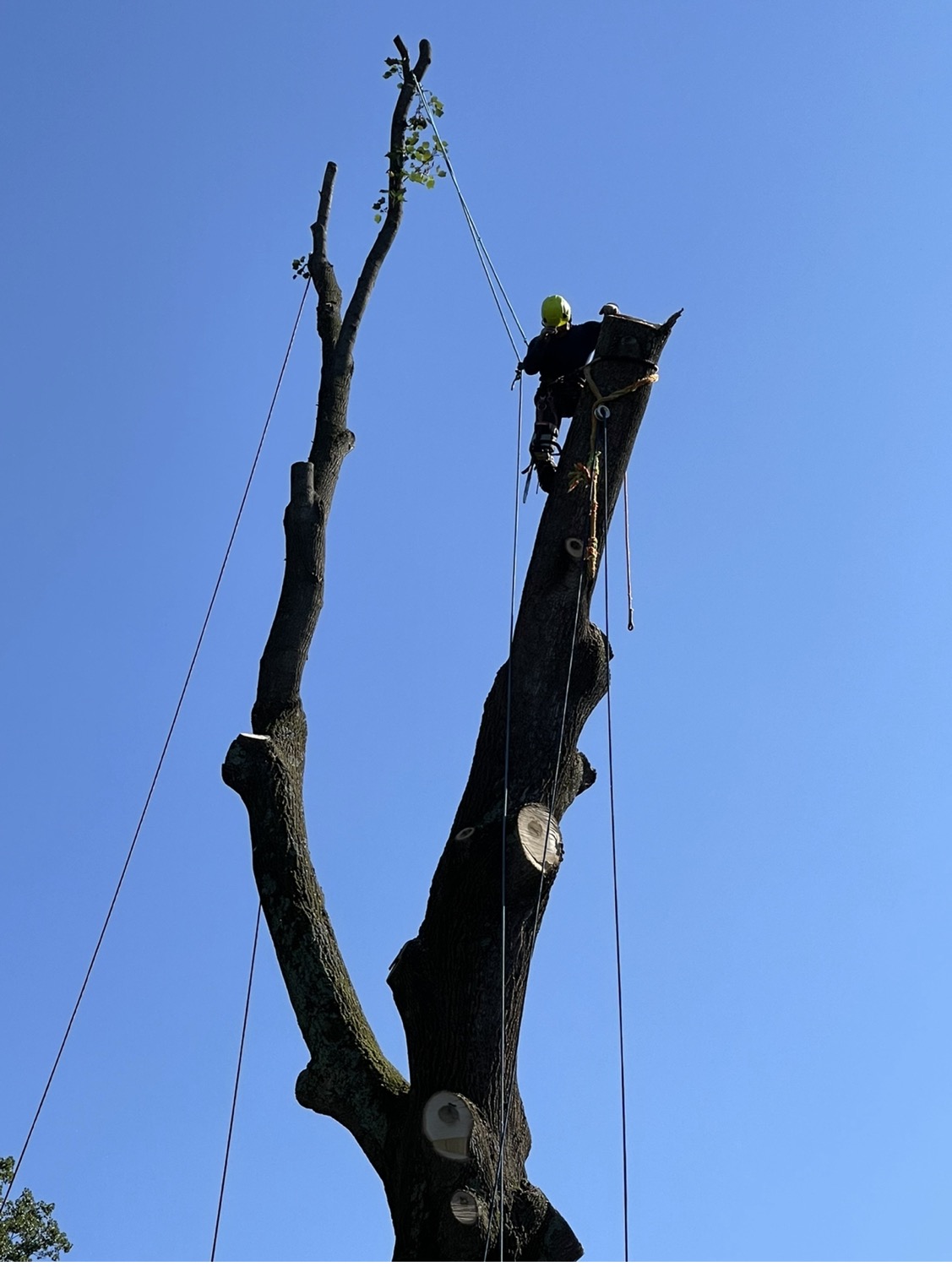
Trees are vital to our environment and add beauty to any landscape. To keep them thriving, regular care is necessary. Proper tree maintenance not only enhances their appearance but also ensures safety and longevity. This article explores essential tree care services that promote healthy growth and prevent common problems.
Essential Tree Care Services You Should Know
Taking care of trees involves several key services that address their health and structure. These services help trees withstand weather conditions, pests, and diseases. Here are some of the most important tree care practices:
Pruning and Trimming
Pruning involves removing dead or diseased branches to improve tree health. Trimming shapes the tree and controls its size. Both practices encourage new growth and prevent branches from becoming hazardous. For example, trimming branches near power lines or walkways reduces the risk of accidents.
Fertilization
Trees need nutrients to grow strong. Fertilization replenishes soil nutrients that may be depleted over time. Applying the right fertilizer at the right time supports root development and leaf growth. A soil test can determine which nutrients your trees need most.
Pest and Disease Management
Insects and diseases can severely damage trees if left untreated. Regular inspections help detect early signs of infestation or infection. Treatments may include organic sprays, insecticides, or removing affected parts to stop the spread.
Mulching
Mulching around the base of a tree helps retain moisture, regulate soil temperature, and reduce weeds. Organic mulch like wood chips or bark also adds nutrients to the soil as it decomposes. Be sure to keep mulch a few inches away from the trunk to prevent rot.
Tree Removal and Stump Grinding
Sometimes, a tree may be too damaged or diseased to save. In such cases, professional removal is necessary to avoid hazards. Stump grinding removes the remaining base, allowing for new planting or landscaping.
By regularly scheduling these services, you can ensure your trees remain healthy and safe. For expert assistance, consider contacting professionals who specialize in tree maintenance services.

What is the Best Price for Tree Trimming?
Tree trimming costs vary depending on several factors. Understanding these can help you budget effectively for this essential service.
Factors Affecting Tree Trimming Costs
Tree Size and Height: Larger and taller trees require more time and equipment, increasing the price.
Location: Trees near power lines or difficult-to-access areas may cost more to trim safely.
Condition of the Tree: Dead or damaged trees might need extra care, raising the cost.
Service Provider: Prices differ between companies based on experience, equipment, and service quality.
Typical Price Ranges
On average, tree trimming can cost between $200 and $800 per tree. Small trees might be trimmed for as low as $75, while large or hazardous trees can exceed $1,000. Some companies offer package deals for multiple trees or ongoing maintenance plans.
Tips to Get the Best Price
Get Multiple Quotes: Compare prices from different providers to find a fair rate.
Schedule Regular Maintenance: Regular trimming prevents costly emergency services.
Ask About Discounts: Some companies offer discounts for seniors, veterans, or repeat customers.
Investing in professional tree trimming ensures safety and promotes healthy growth, making it a worthwhile expense.

How to Identify When Your Tree Needs Care
Recognizing signs that your tree requires attention can prevent serious problems. Here are some indicators to watch for:
Dead or Falling Branches: These can signal disease or structural weakness.
Discolored or Wilting Leaves: May indicate pest infestation or nutrient deficiency.
Cracks or Cavities in the Trunk: Structural damage that could lead to tree failure.
Excessive Leaf Drop: Could be a sign of stress or root problems.
Fungal Growth: Mushrooms or conks on the trunk or roots often mean decay.
If you notice any of these signs, it’s best to consult a tree care professional promptly. Early intervention can save the tree and reduce safety risks.
Seasonal Tree Care Tips for Optimal Growth
Trees have different needs depending on the season. Adjusting care routines accordingly helps them thrive year-round.
Spring
Inspect for winter damage and prune dead branches.
Apply fertilizer to support new growth.
Mulch to retain moisture as temperatures rise.
Summer
Water deeply during dry spells.
Monitor for pests and diseases.
Avoid heavy pruning to prevent stress.
Fall
Remove fallen leaves to prevent fungal diseases.
Prune lightly to prepare for winter.
Apply mulch to protect roots from cold.
Winter
Avoid pruning during freezing temperatures.
Protect young trees from frost damage with wraps.
Plan for spring fertilization and care.
Following these seasonal guidelines ensures your trees receive the right care at the right time.
Why Professional Tree Care Matters
While some tree care tasks can be done by homeowners, many require professional expertise. Certified arborists have the knowledge, tools, and experience to handle complex issues safely and effectively.
Benefits of Hiring Professionals
Safety: Tree work can be dangerous, especially with large or tall trees.
Proper Diagnosis: Experts can identify diseases and pests accurately.
Long-Term Health: Professional care promotes sustainable growth.
Legal Compliance: Some areas have regulations about tree removal and trimming.
Investing in professional tree care services protects your property and enhances the beauty and health of your trees.
Taking care of trees is an ongoing process that requires attention and knowledge. By understanding essential tree care services and when to seek help, you can enjoy healthy, vibrant trees for years to come. Whether it’s pruning, fertilizing, or pest control, each step plays a crucial role in maintaining the natural beauty and safety of your landscape.


Comments